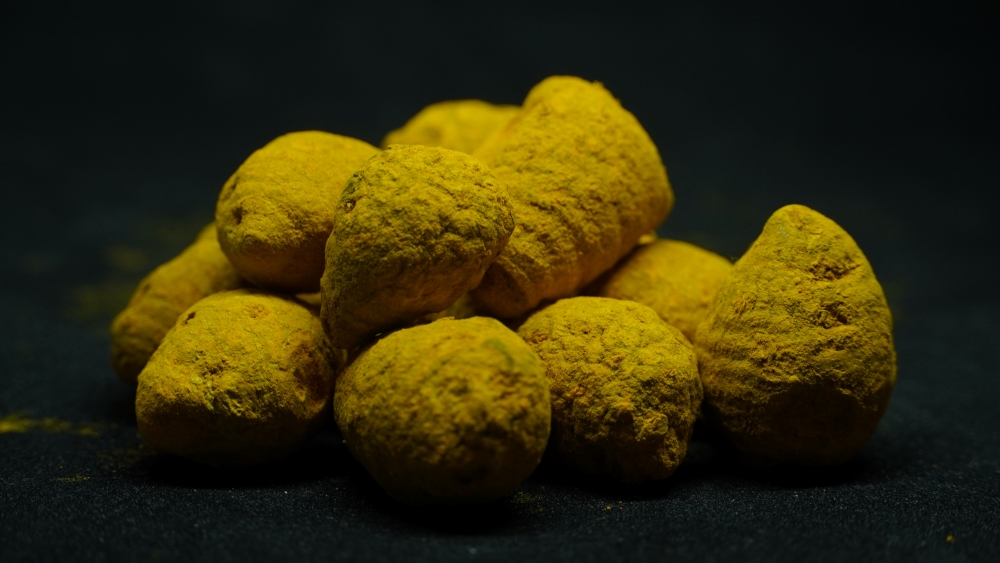
BULB TURMERIC - உருண்டை/குண்டு மஞ்சள் (आम अदरक) / CURCUMA AMADA
SKU: THO-037
1.THOGAI BRAND IS THE PRODUCT ORIENTED COMPANY, WE ARE GETTING THE PRODUCTS DIRECTLY FROM FARMERS.SO ITS NOT SUBJECTED TO ANY FILTERATION BECAUSE OF LOOSING ORIGINALITY.ITS 100% ORGANIC, NON-GMO (NON-GENETICALLY MODIFIES ORGANISM) AND 100% VEGEN.
2.WHAT IS IT: NORMALLY, TURMERIC IS OF TWO VARIETIES. ONE IS CURCUA LONGA WHICH IS USED IN COOKING AND THE OTHER ONE IS CURCUMA ZEDOARIA WHICH IS USED FOR SKIN GLOW. THIS IS SECOND TYPE.
3.WHOM WILL USE: MOSTLY USED FOR WOMENS.
4.HOW TO USE: WOMENS USES IT POWDER TO APPLY SKIN AND FACE FOR BATHING.
5.WHAT HAPPENED TO USE IT: IT ACTS LIKE ANTI-BACTERIAL AND REDUCE HAIR IN FACE.
6.SIDE EFFECTS: PROVERB-TOO MUCH OF ANYTHING IS GOOD FOR NOTHING. TAKING LARGE AMOUNTS OF TURMERIC MAY CAUSE STOMACH UPSET AND, IN EXTREME CASES, ULCERS. IF THERE IS ANY DOUBTS/PREGNANCY WOMENS, SHOULD BE TAKEN UNDER MEDICAL SUPERVISION.
7.NOTE: ABOVE MENTION THAT, THESE PRODUCTS ARE NOT SUBJECTED TO ANY FILTERATION SO MAY BE SOME DUST IN THE PRODUCTS; SHOULD CLEAN THE PRODUCTS BEFORE USUAGE OF IT. THERE IS ANY ALLERGIES ALREADY OCCURS; DOCTOR GUIDANCE MUST.
8.SIDE EFFECTS: PROVERB-TOO MUCH OF ANYTHING IS GOOD FOR NOTHING. THERE ARE NO MAJOR SIDE EFFECTS REPORTED WITH THE USE OF THS. IF THERE IS ANY DOUBTS/PREGNANCY WOMENS, SHOULD BE TAKEN UNDER MEDICAL SUPERVISION.
2.WHAT IS IT: NORMALLY, TURMERIC IS OF TWO VARIETIES. ONE IS CURCUA LONGA WHICH IS USED IN COOKING AND THE OTHER ONE IS CURCUMA ZEDOARIA WHICH IS USED FOR SKIN GLOW. THIS IS SECOND TYPE.
3.WHOM WILL USE: MOSTLY USED FOR WOMENS.
4.HOW TO USE: WOMENS USES IT POWDER TO APPLY SKIN AND FACE FOR BATHING.
5.WHAT HAPPENED TO USE IT: IT ACTS LIKE ANTI-BACTERIAL AND REDUCE HAIR IN FACE.
6.SIDE EFFECTS: PROVERB-TOO MUCH OF ANYTHING IS GOOD FOR NOTHING. TAKING LARGE AMOUNTS OF TURMERIC MAY CAUSE STOMACH UPSET AND, IN EXTREME CASES, ULCERS. IF THERE IS ANY DOUBTS/PREGNANCY WOMENS, SHOULD BE TAKEN UNDER MEDICAL SUPERVISION.
7.NOTE: ABOVE MENTION THAT, THESE PRODUCTS ARE NOT SUBJECTED TO ANY FILTERATION SO MAY BE SOME DUST IN THE PRODUCTS; SHOULD CLEAN THE PRODUCTS BEFORE USUAGE OF IT. THERE IS ANY ALLERGIES ALREADY OCCURS; DOCTOR GUIDANCE MUST.
8.SIDE EFFECTS: PROVERB-TOO MUCH OF ANYTHING IS GOOD FOR NOTHING. THERE ARE NO MAJOR SIDE EFFECTS REPORTED WITH THE USE OF THS. IF THERE IS ANY DOUBTS/PREGNANCY WOMENS, SHOULD BE TAKEN UNDER MEDICAL SUPERVISION.
₹99.00
₹139.00
29% OFF
Quantity:
1
Buy Now
Free delivery on orders above ₹500
100% natural & organic — no additives